
Product Details
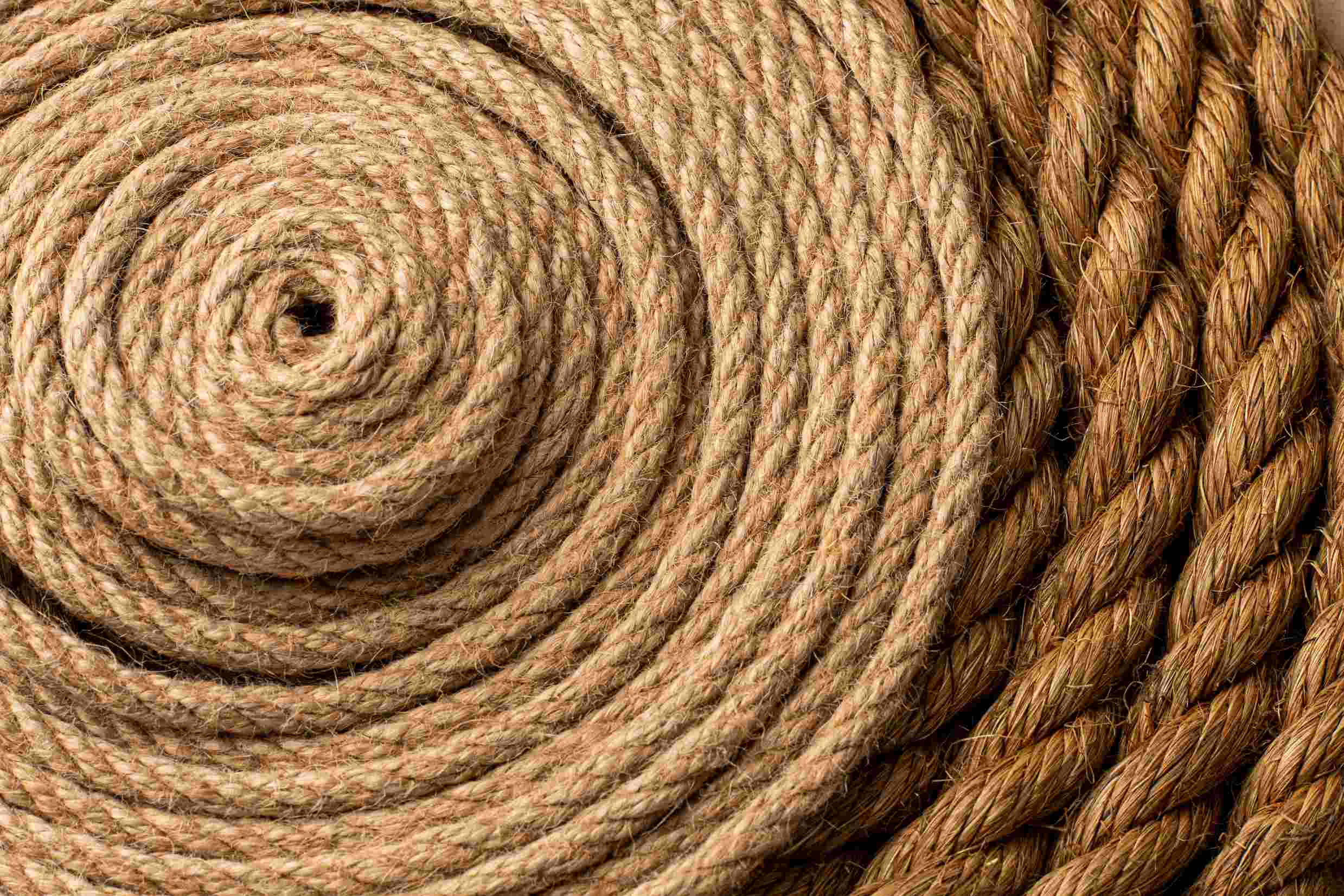
Product
Jute
Jute, often referred to as "the golden fiber," is a natural, eco-friendly fiber derived from the jute plant, Corchorus species, primarily grown in tropical and subtropical regions like India, Bangladesh, and parts of Africa. Known for its versatility, strength, and sustainability, jute is one of the most widely used fibers in the world. Here’s a detailed overview of jute, its benefits, and its many applications:
1. What is Jute?
Jute is a long, soft, shiny vegetable fiber that can be spun into coarse, strong threads. It is primarily used for making fabrics and has been a significant material in textile production for thousands of years. Jute fibers are extracted from the inner bark of the jute plant, and the process involves retting, a method of soaking the plant to separate the fiber from the stem.
2. Properties of Jute
Jute possesses several distinct properties that make it highly valued in various industries:
- Durability: Jute is strong and durable, making it ideal for products that need to withstand wear and tear, such as sacks, bags, and ropes.
- Biodegradable: One of jute’s key benefits is that it is 100% biodegradable and compostable, making it an environmentally friendly alternative to synthetic fibers.
- Breathable: Jute has natural ventilation properties, which makes it an excellent choice for items like bags or mats, as it allows airflow.
- Lightweight: Despite its strength, jute is relatively lightweight, which adds to its versatility in different applications.
- Versatile: Jute can be woven into different textures and finishes, making it suitable for a wide range of products, from fabrics to home decor.